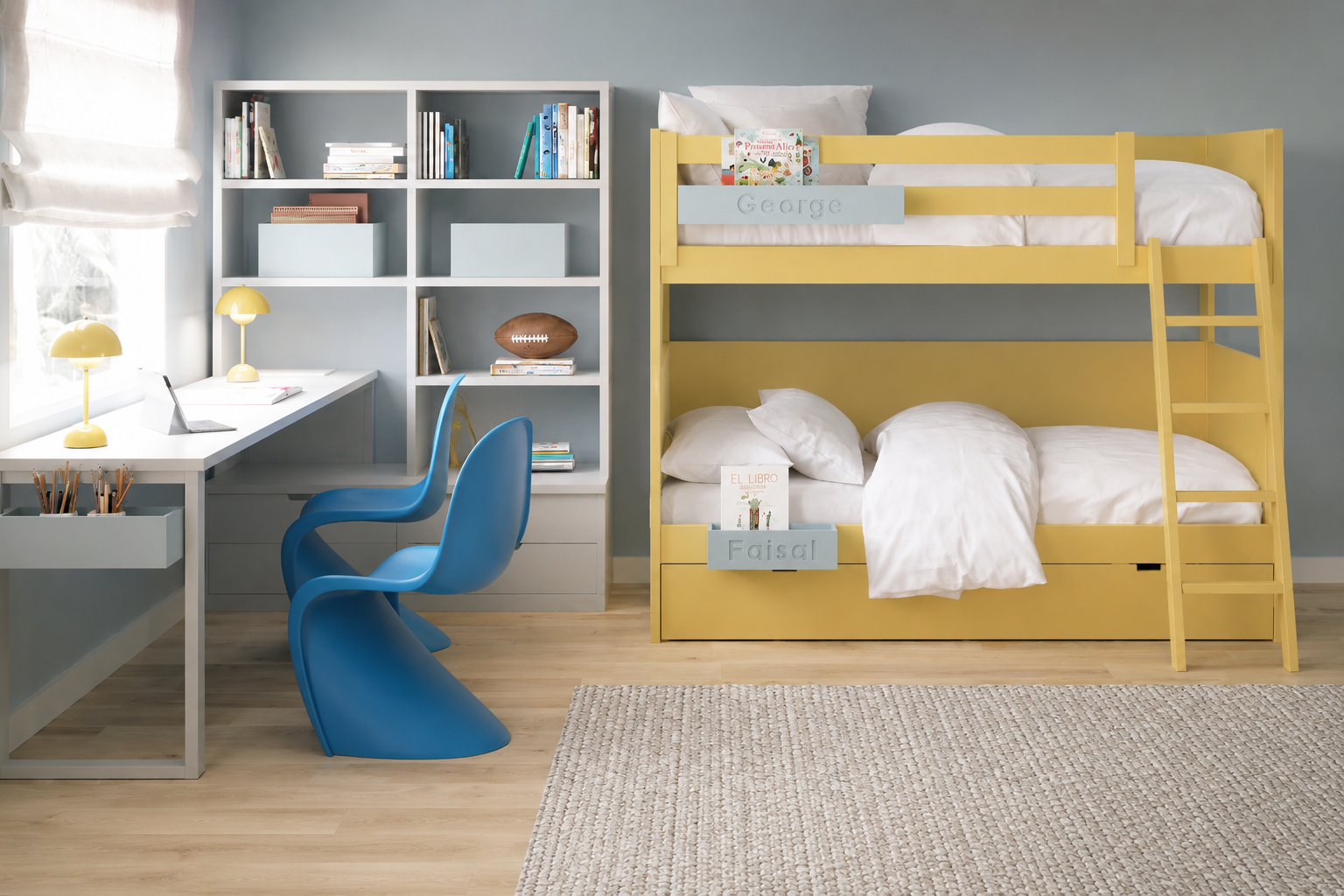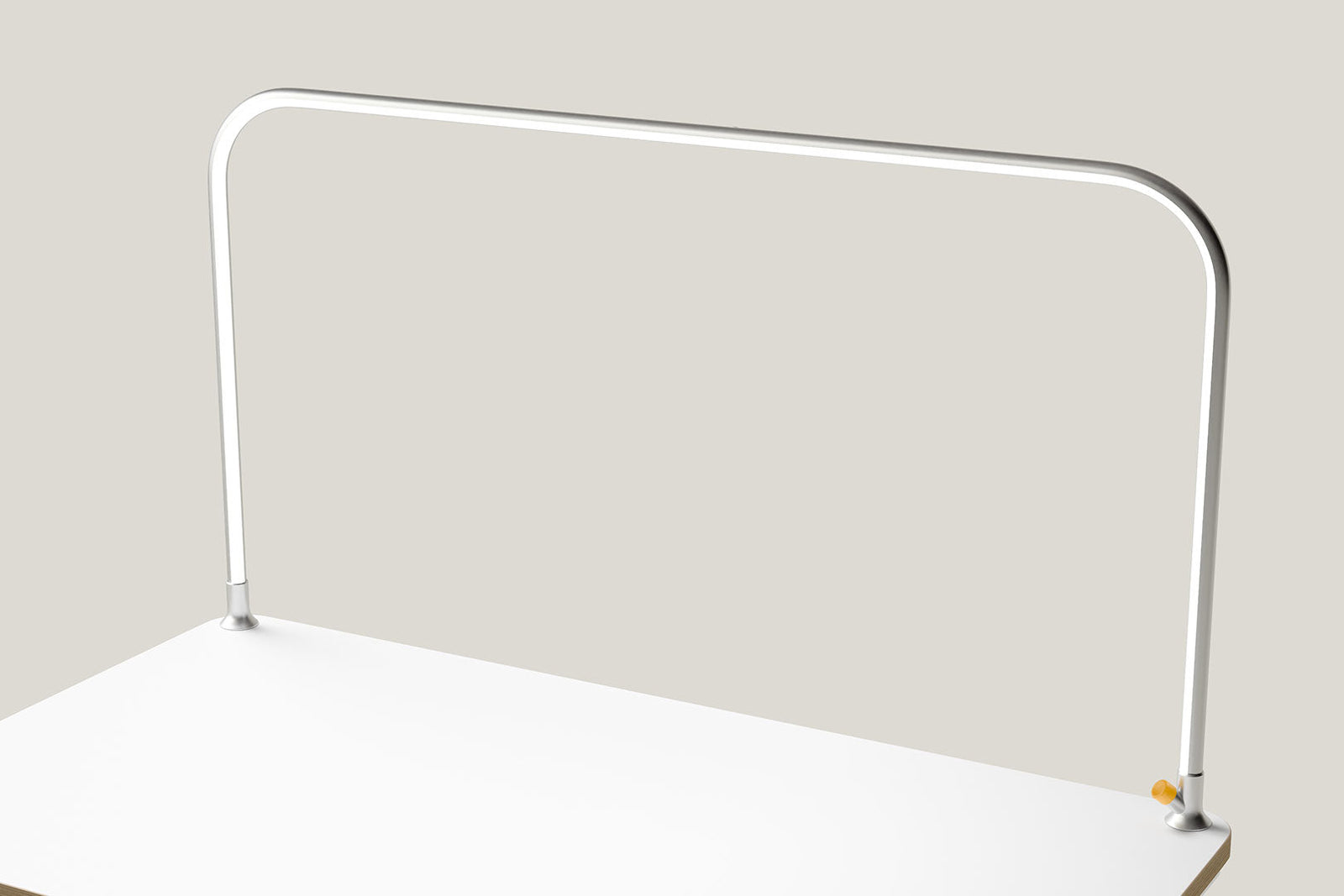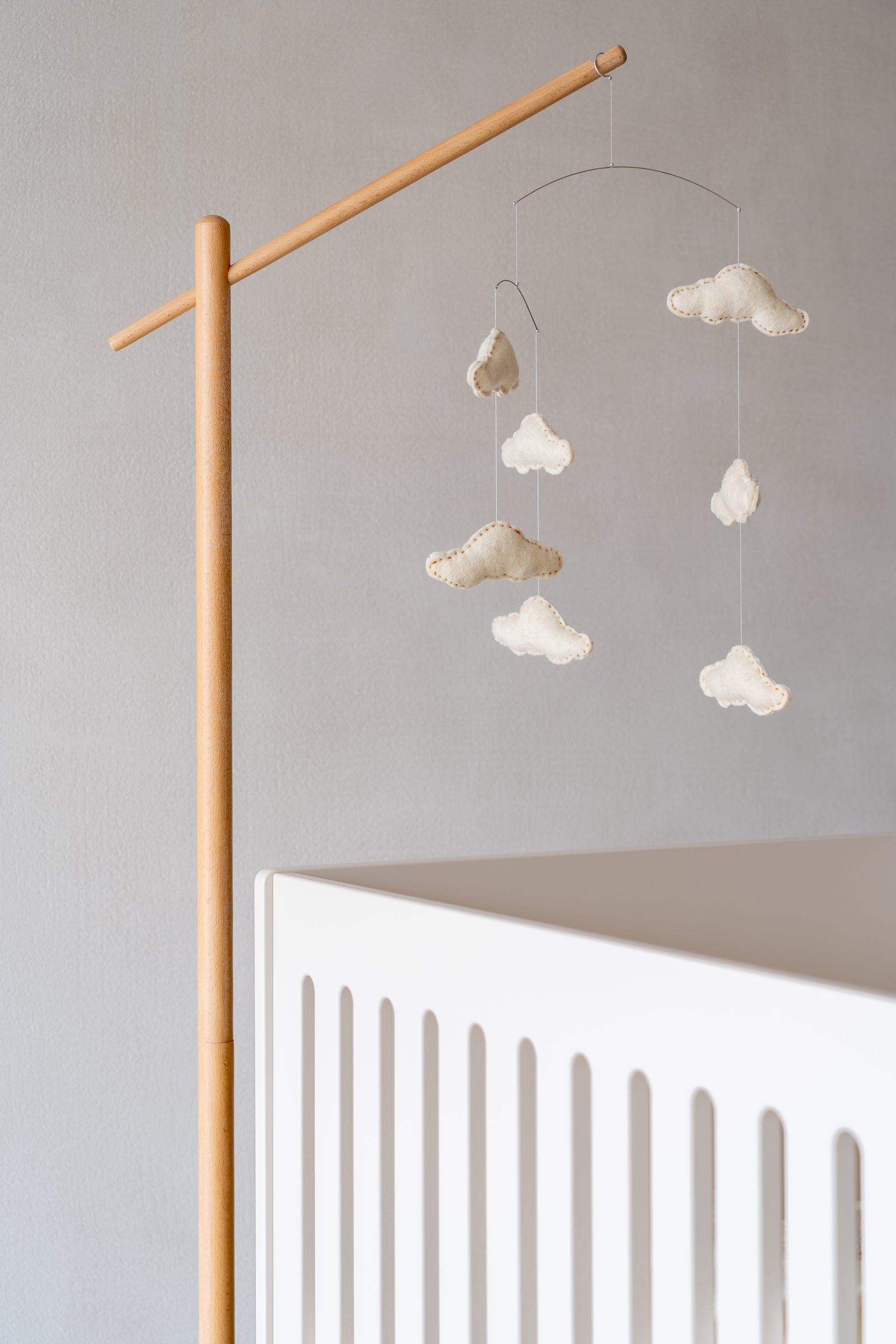

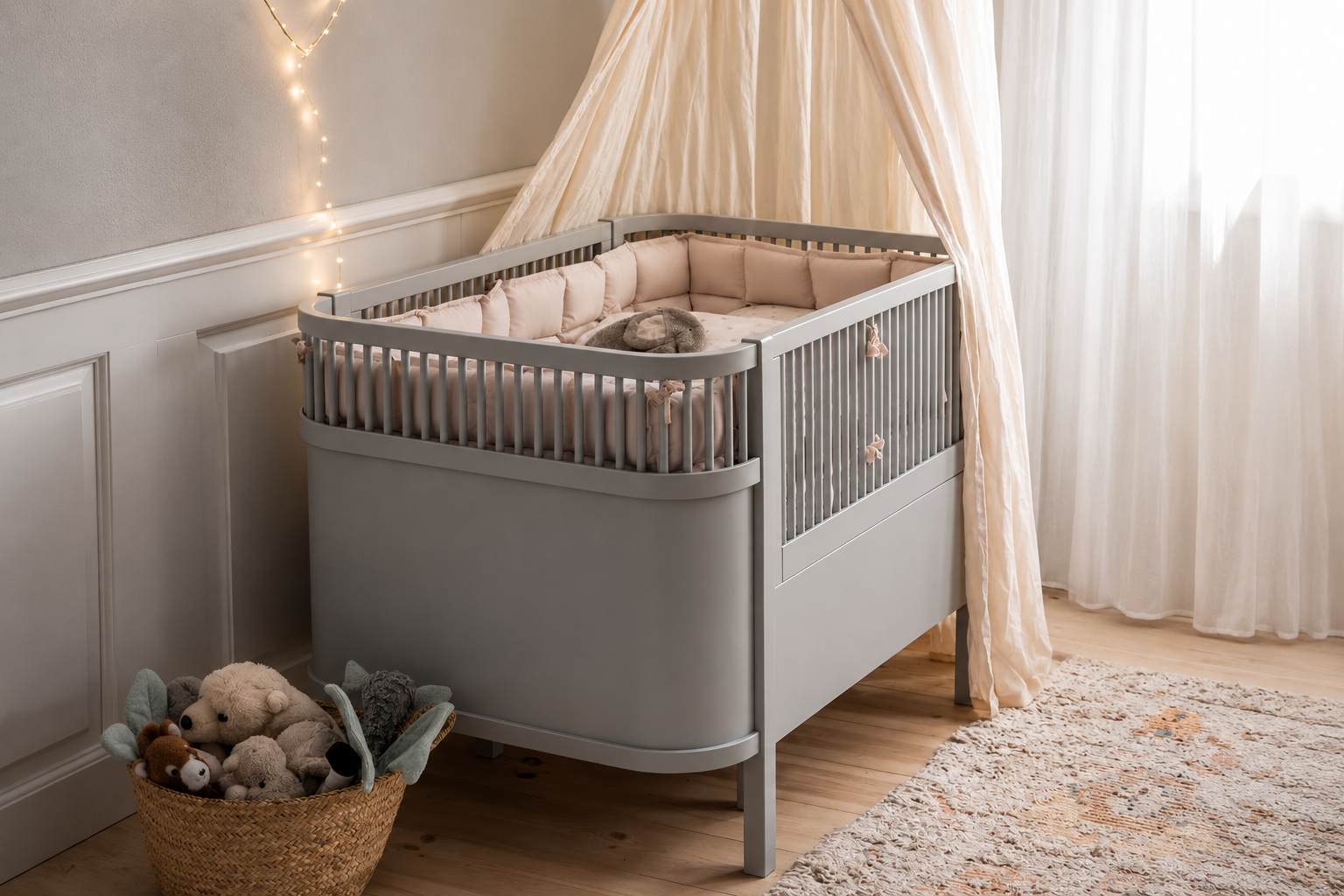






Today, modern interior design means more than just a sense of style. It also stands for responsibility. Materials, production conditions and durability are playing an increasingly important role in the design of living spaces - especially in children's rooms.
Sustainability starts with the choice of materials. Organic cotton, for example, is grown and processed without harmful chemicals. This not only protects the environment, but also the health of those who come into contact with the materials on a daily basis. This is a decisive factor, especially in sensitive areas such as bedrooms and children's rooms.
Handmade products also have a special quality. They bear a personal signature, show attention to detail and impress with their careful workmanship. Such pieces are not mass-produced, but deliberately selected elements with character.
The washability and ease of care of materials is also an important part of sustainable planning. Products that can be cleaned easily remain beautiful and functional for longer. This extends their lifespan and reduces unnecessary replacement.
A sustainable room concept also means thinking timelessly. Trends come and go - a well-planned design, on the other hand, remains current for years to come. Neutral basic colors and targeted accents make it easy to adapt a room without having to completely redesign it.
Quality is also reflected in the construction and stability of products. Durable materials and solid workmanship ensure that furniture and textile elements will give pleasure for many years to come. This not only makes economic sense, but is also ecologically responsible.
A consciously designed room combines aesthetics with responsibility. It creates a sense of security, safety and comfort - without compromising on quality or environmental awareness. The result is a home that is both visually appealing and makes you feel good.