Search
Frequently searched for:


A newborn baby is changed up to eight times a day. This adds up to over 5,000 diaper changes before the baby is diaper-free. That's a lot - and that's why it's worth setting up the changing station correctly from the start.
Many parents ask themselves:
- What really belongs in the changing station - and what don't I need?
- How do I protect my baby's sensitive skin when changing diapers?
- Which care products are useful - and which can I leave out?
On this page you will learn what is important when changing diapers - practical, well-founded and without unnecessary effort.
A newborn baby is changed up to eight times a day. This adds up to over 5,000 diaper changes before the baby is diaper-free. That's a lot - and that's why it's worth setting up the changing station correctly from the start.
Many parents ask themselves:
- What really belongs in the changing station - and what don't I need?
- How do I protect my baby's sensitive skin when changing diapers?
- Which care products are useful - and which can I leave out?
On this page you will learn what is important when changing diapers - practical, well-founded and without unnecessary effort.
The changing table is not just a place for dirty diapers. In the first few years of life, it becomes a fixed focal point of everyday life. A lot happens here: parents talk to their baby, sing, play - and the bond between child and parents deepens with every change.
A well-equipped changing station also provides protection:
- Your back - ergonomic height prevents constant bending
- your baby's skin - with the right products to hand
- Your nerves - when everything is organized and within reach
The changing table is not just a place for dirty diapers. In the first few years of life, it becomes a fixed focal point of everyday life. A lot happens here: parents talk to their baby, sing, play - and the bond between child and parents deepens with every change.
A well-equipped changing station also provides protection:
- Your back - ergonomic height prevents constant bending
- your baby's skin - with the right products to hand
- Your nerves - when everything is organized and within reach


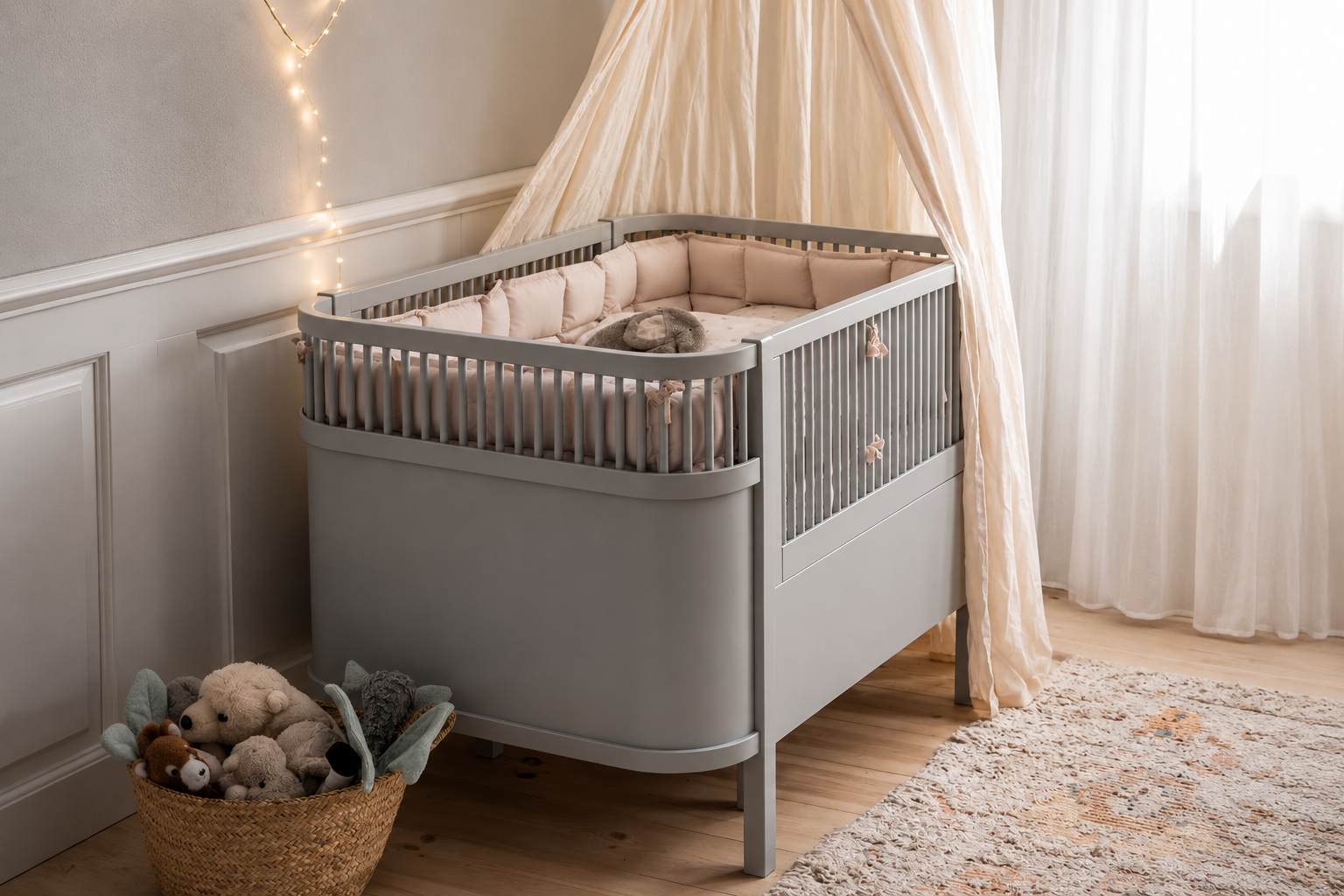
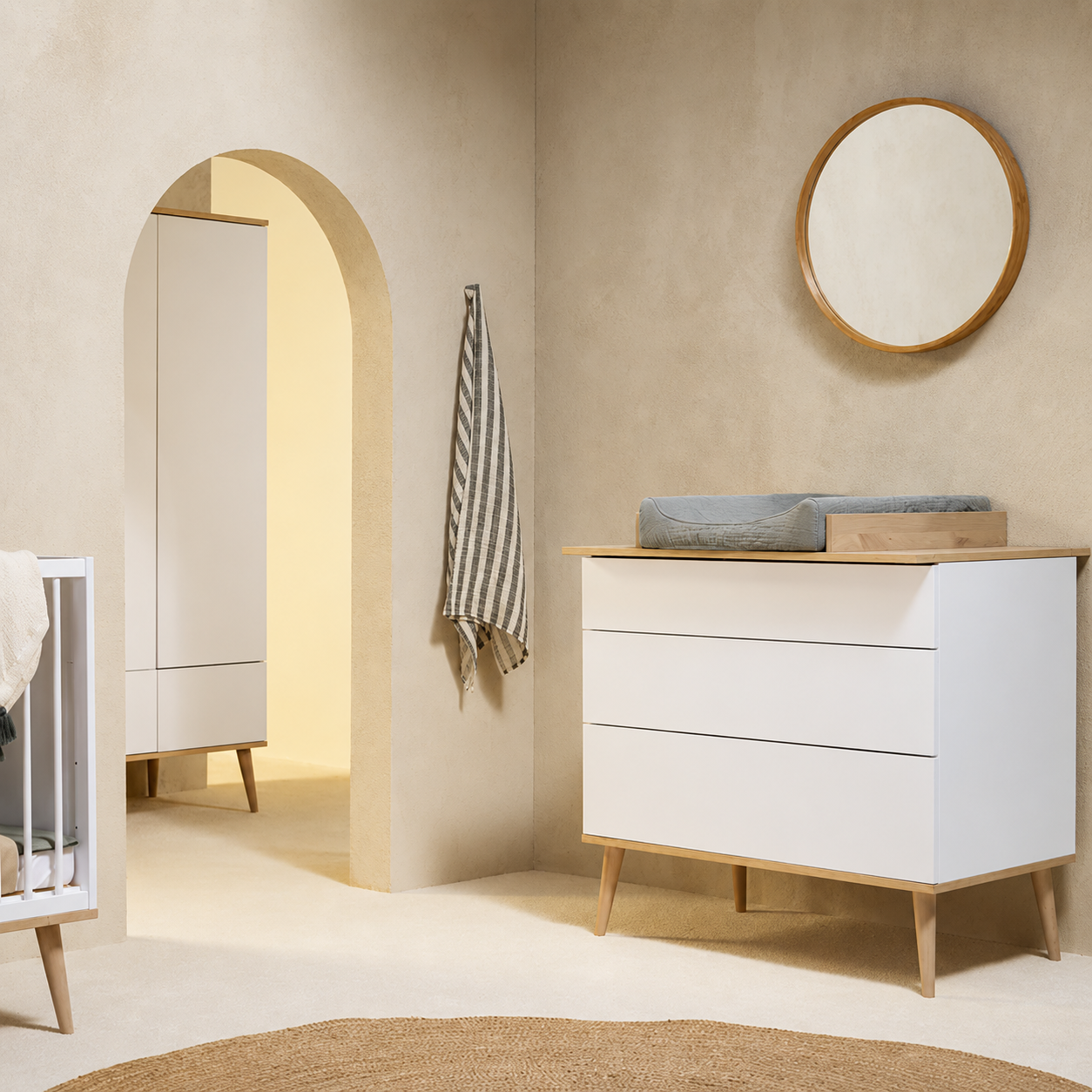
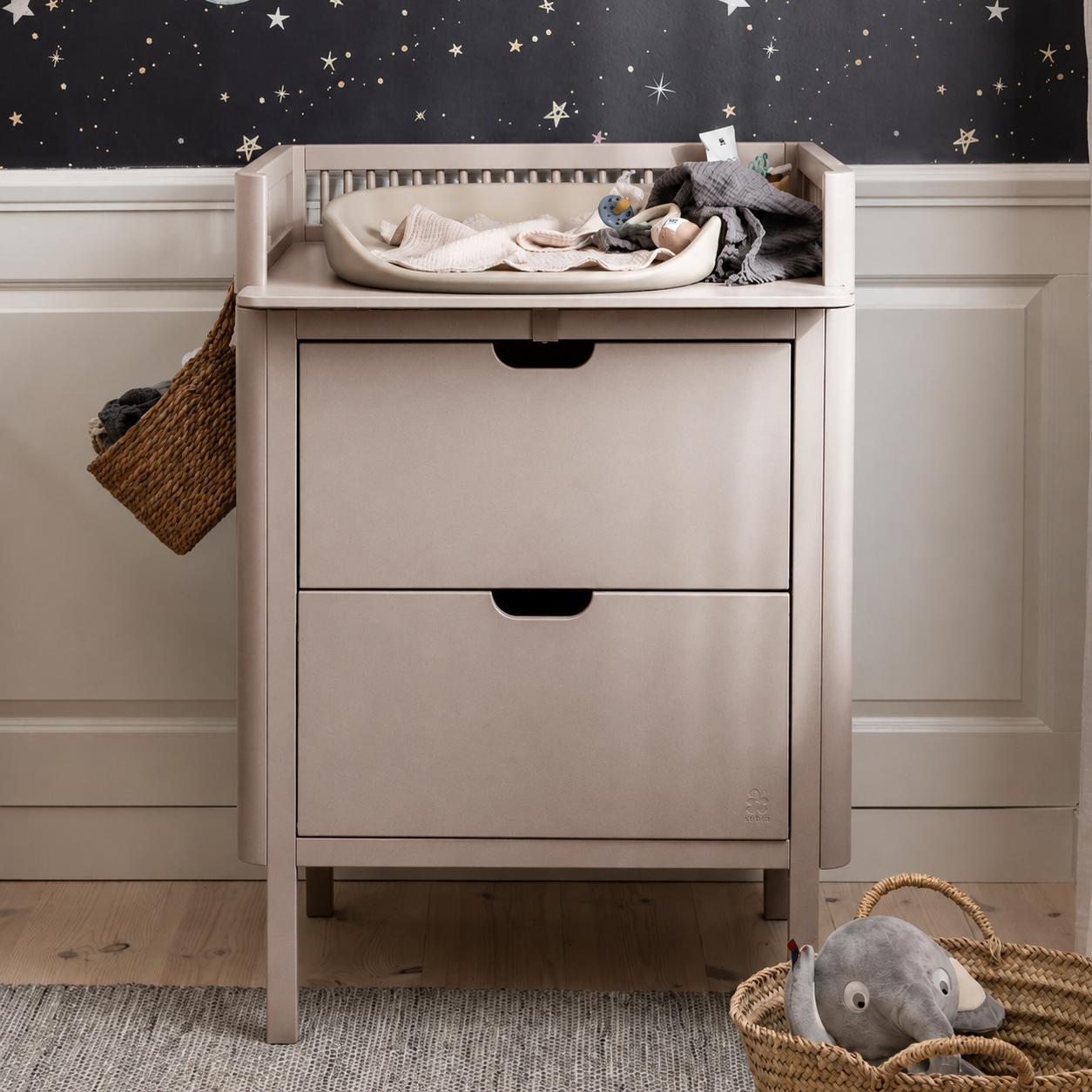
A changing unit is one of the few pieces of furniture that you really need for your baby. It creates a fixed, organized place for everything to do with changing nappies - and is easy on your back at the same time.
What you should look out for:
- Ergonomic height: changing nappies without bending down - the changing unit should be at about hip height
- Stable stand: safety has absolute priority
- Sufficient storage space: diapers, wet wipes, creams - everything should be within reach with one hand
- Grows with you: Many models can be converted into a normal chest of drawers after the diaper period
Tip: Never change a baby without having one hand on the baby. Falls from the changing table are one of the most common accidents for newborns.
A changing unit is one of the few pieces of furniture that you really need for your baby. It creates a fixed, organized place for everything to do with changing nappies - and is easy on your back at the same time.
What you should look out for:
- Ergonomic height: changing nappies without bending down - the changing unit should be at about hip height
- Stable stand: safety has absolute priority
- Sufficient storage space: diapers, wet wipes, creams - everything should be within reach with one hand
- Grows with you: Many models can be converted into a normal chest of drawers after the diaper period
Tip: Never change a baby without having one hand on the baby. Falls from the changing table are one of the most common accidents for newborns.


These two terms are often confused - but they fulfill different tasks.
The changing mat
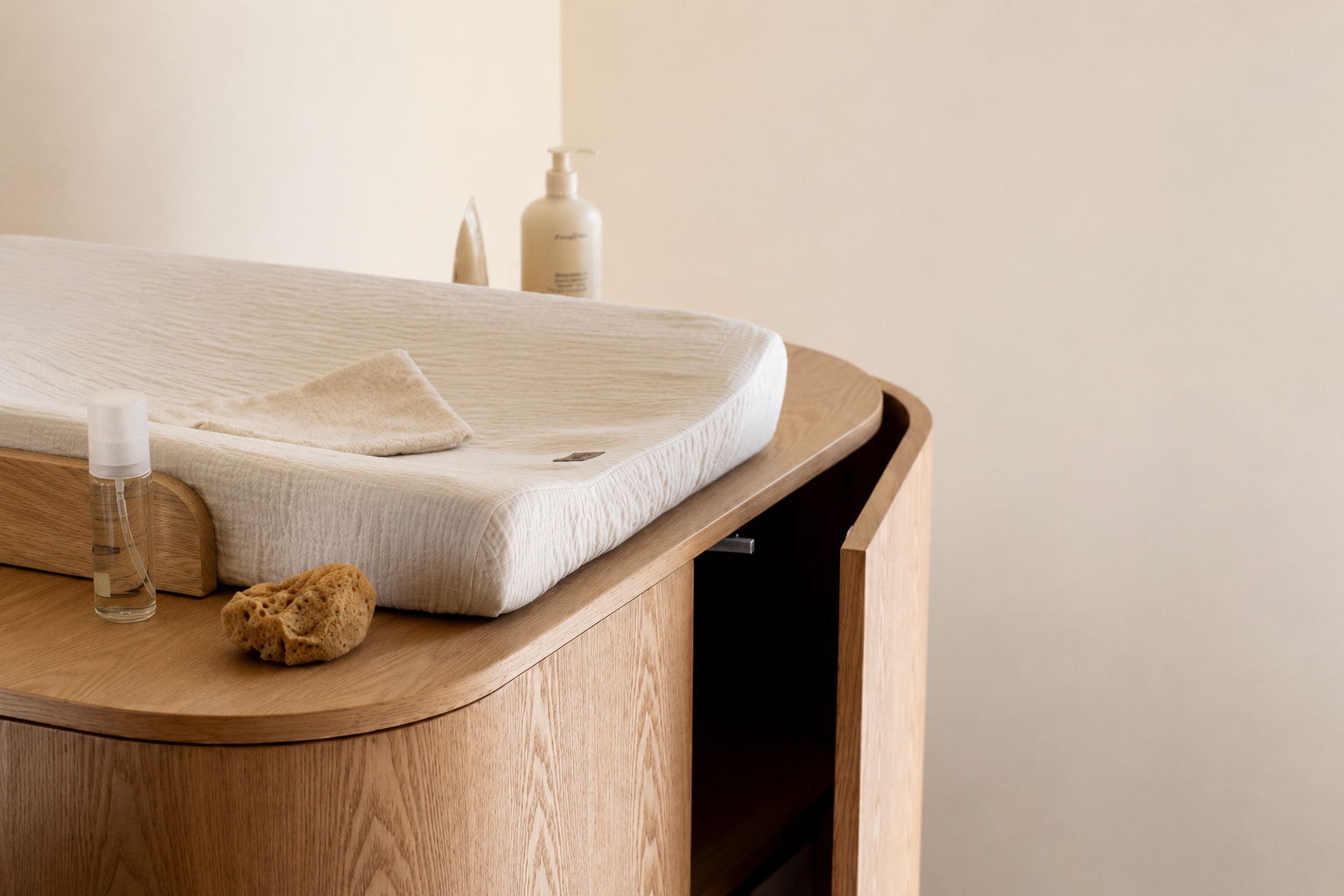
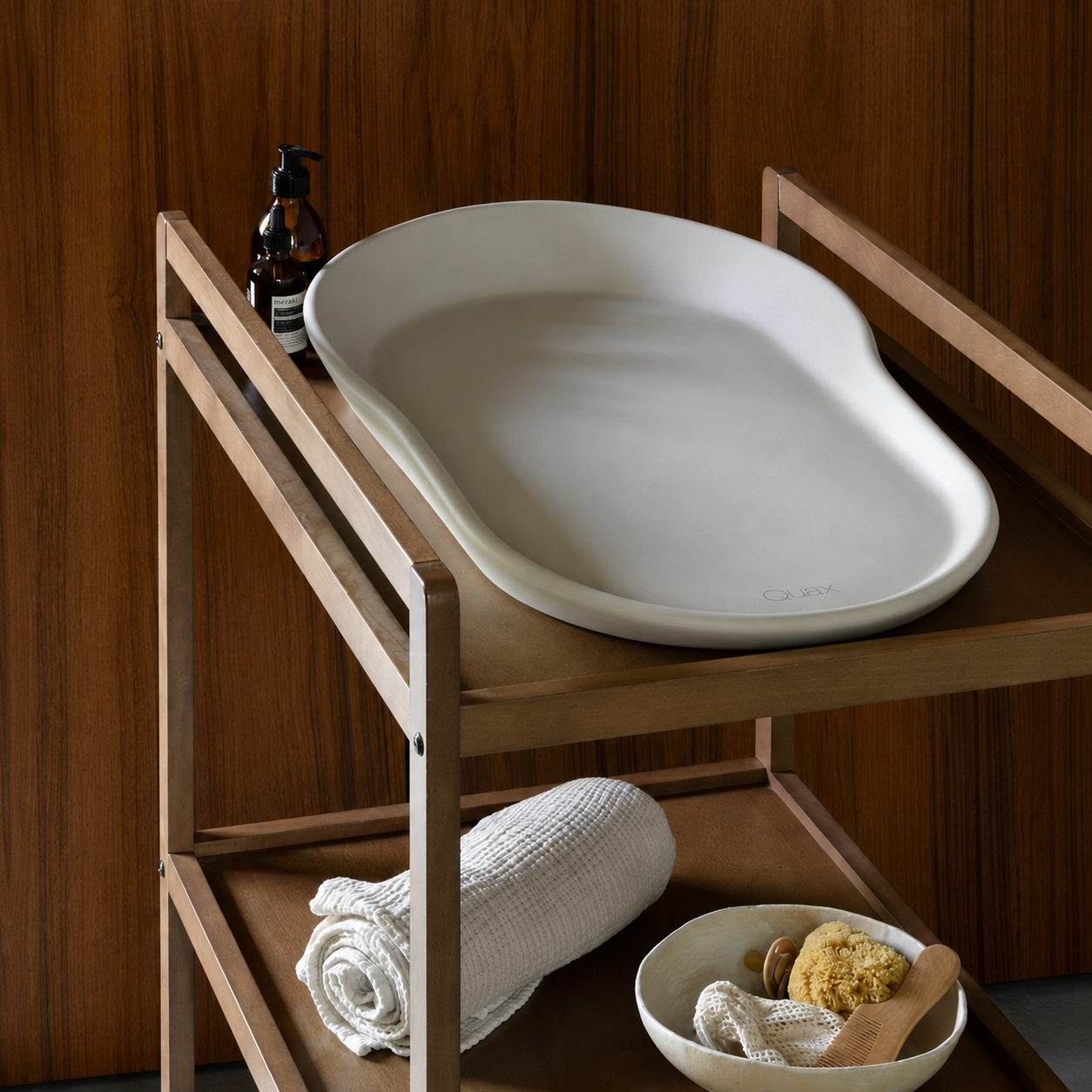
The changing mat lies firmly on the chest of drawers and offers the baby a soft, safe surface to lie on. It is usually fitted with a removable, washable cover. Make sure it has a raised edge to protect the baby from the sides.
The changing mat
The changing mat lies on top of the pad and catches minor mishaps - without you having to wash the whole cover every time. There are reusable pads made of terry cloth or gauze as well as practical disposable versions for on the go.
Recommendation: Have at least two or three changing mats in stock. Newborns manage to wet several in a short space of time.
These two terms are often confused - but they fulfill different tasks.
The changing mat
The changing mat lies firmly on the chest of drawers and offers the baby a soft, safe surface to lie on. It is usually fitted with a removable, washable cover. Make sure it has a raised edge to protect the baby from the sides.
The changing mat
The changing mat lies on top of the pad and catches minor mishaps - without you having to wash the whole cover every time. There are reusable pads made of terry cloth or gauze as well as practical disposable versions for on the go.
Recommendation: Have at least two or three changing mats in stock. Newborns manage to wet several in a short space of time.


Baby skin is significantly thinner than adult skin and is still developing. The natural acid mantle only develops in the first few months of life. At the same time, the diaper area is exposed to heat, moisture and excretions - this is a real strain on the skin.
The most important rules for healthy skin in the diaper area:
- Change diapers regularly: Don't leave your baby in a wet diaper for too long
- Cleanse gently: Dab rather than rub - don't forget skin folds
- Dry well: pat the skin completely dry before rewrapping
- Allow air: If possible, plan some time without a diaper
- Wound protection cream: Apply thinly if necessary or as a preventative measure, without perfumed products
Important note for girls: Always clean from front to back to keep bacteria away. For boys, do not pull back the foreskin - it will come off by itself.
Baby skin is significantly thinner than adult skin and is still developing. The natural acid mantle only develops in the first few months of life. At the same time, the diaper area is exposed to heat, moisture and excretions - this is a real strain on the skin.
The most important rules for healthy skin in the diaper area:
- Change diapers regularly: Don't leave your baby in a wet diaper for too long
- Cleanse gently: Dab rather than rub - don't forget skin folds
- Dry well: pat the skin completely dry before rewrapping
- Allow air: If possible, plan some time without a diaper
- Wound protection cream: Apply thinly if necessary or as a preventative measure, without perfumed products
Important note for girls: Always clean from front to back to keep bacteria away. For boys, do not pull back the foreskin - it will come off by itself.
The market for baby care products is huge. The good thing is that you need much less than is often advertised.
Wet wipes or washcloths?
For newborns, midwives recommend cleaning with lukewarm water and a soft washcloth - this is the gentlest method. Wet wipes are very practical for on the go. Always choose fragrance-free, sensitive variants without preservatives.
Wound protection cream
A good wound protection cream forms a protective layer of oil on the skin and keeps moisture and excretions away. Useful for reddened skin or as a preventative measure. Look out for creams containing zinc without perfume, parabens and mineral oil.
Baby care oil
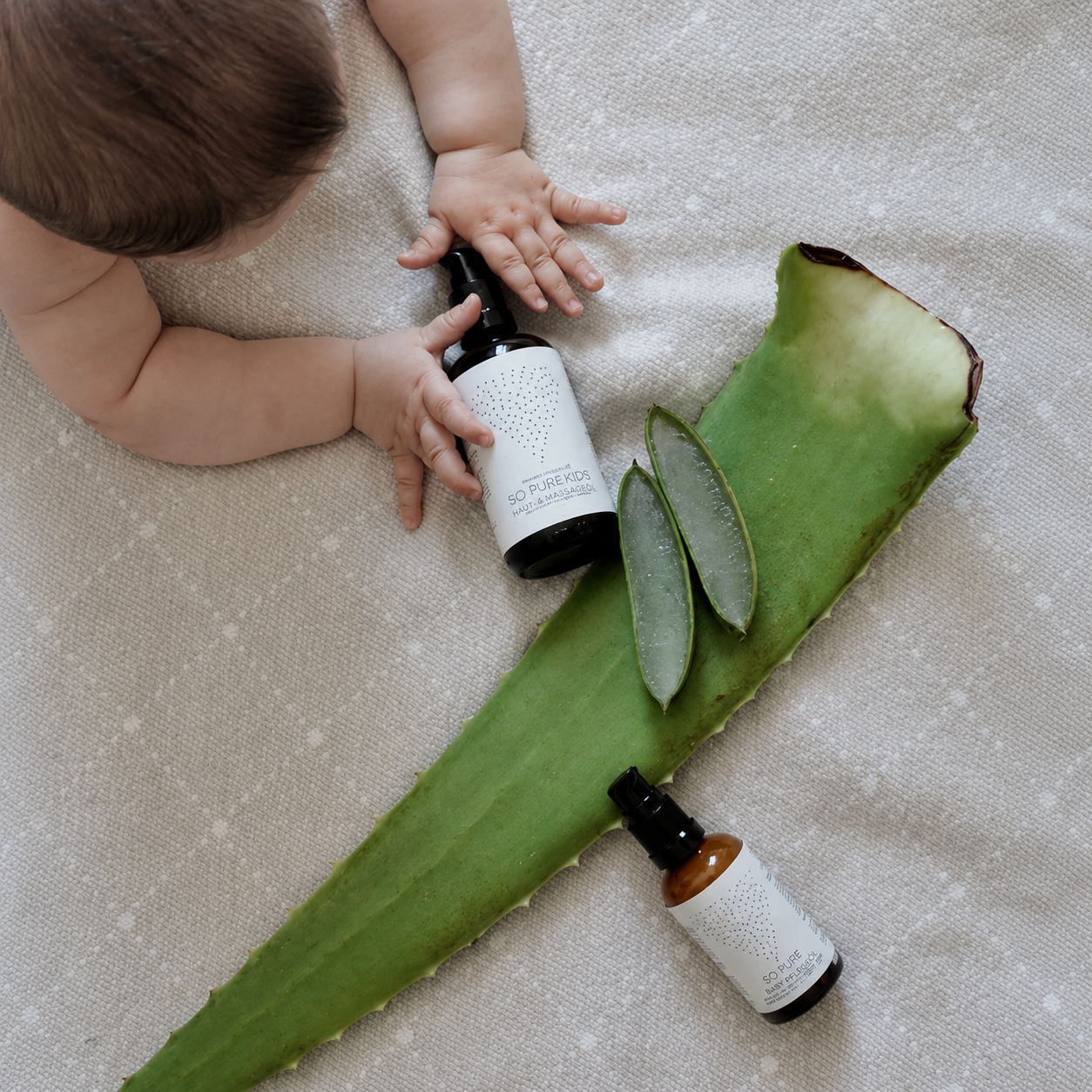
A mild care oil - e.g. almond oil - is suitable for gentle cleansing and for a short baby massage after changing nappies. It cares for the skin and at the same time creates a peaceful moment of closeness.
The market for baby care products is huge. The good thing is that you need much less than is often advertised.
Wet wipes or washcloths?
For newborns, midwives recommend cleaning with lukewarm water and a soft washcloth - this is the gentlest method. Wet wipes are very practical for on the go. Always choose fragrance-free, sensitive variants without preservatives.
Wound protection cream
A good wound protection cream forms a protective layer of oil on the skin and keeps moisture and excretions away. Useful for reddened skin or as a preventative measure. Look out for creams containing zinc without perfume, parabens and mineral oil.
Baby care oil
A mild care oil - e.g. almond oil - is suitable for gentle cleansing and for a short baby massage after changing nappies. It cares for the skin and at the same time creates a peaceful moment of closeness.


When changing a baby's diaper, there's one rule that can't be changed: always keep one hand on the baby. This means that everything you need must already be to hand - before you place the baby on the mat.
What should always be to hand:
- Fresh diapers in the current size
- Wet wipes or washcloths and water
- Wound protection cream
- Fresh changing mat
- Diaper pail or diaper bags right next to it
Tip: Baskets, open boxes and small shelves on the chest of drawers help to keep things tidy. Don't stack too much - organization is more important than storage.
When changing a baby's diaper, there's one rule that can't be changed: always keep one hand on the baby. This means that everything you need must already be to hand - before you place the baby on the mat.
What should always be to hand:
- Fresh diapers in the current size
- Wet wipes or washcloths and water
- Wound protection cream
- Fresh changing mat
- Diaper pail or diaper bags right next to it
Tip: Baskets, open boxes and small shelves on the chest of drawers help to keep things tidy. Don't stack too much - organization is more important than storage.
An honest overview - without advertising, but with clarity:
Absolutely necessary:
- Changing unit or changing unit at a height that is easy on the back
- Changing mat with washable cover
- 2-3 changing mats (reusable or disposable)
- Diapers (initial equipment: do not buy too many size 1)
- Wet wipes (sensitive, fragrance-free) or washcloths
- Wound protection cream
- Diaper pail with lockable lid
Useful additions:
- Nursing seat / changing unit for the bathtub
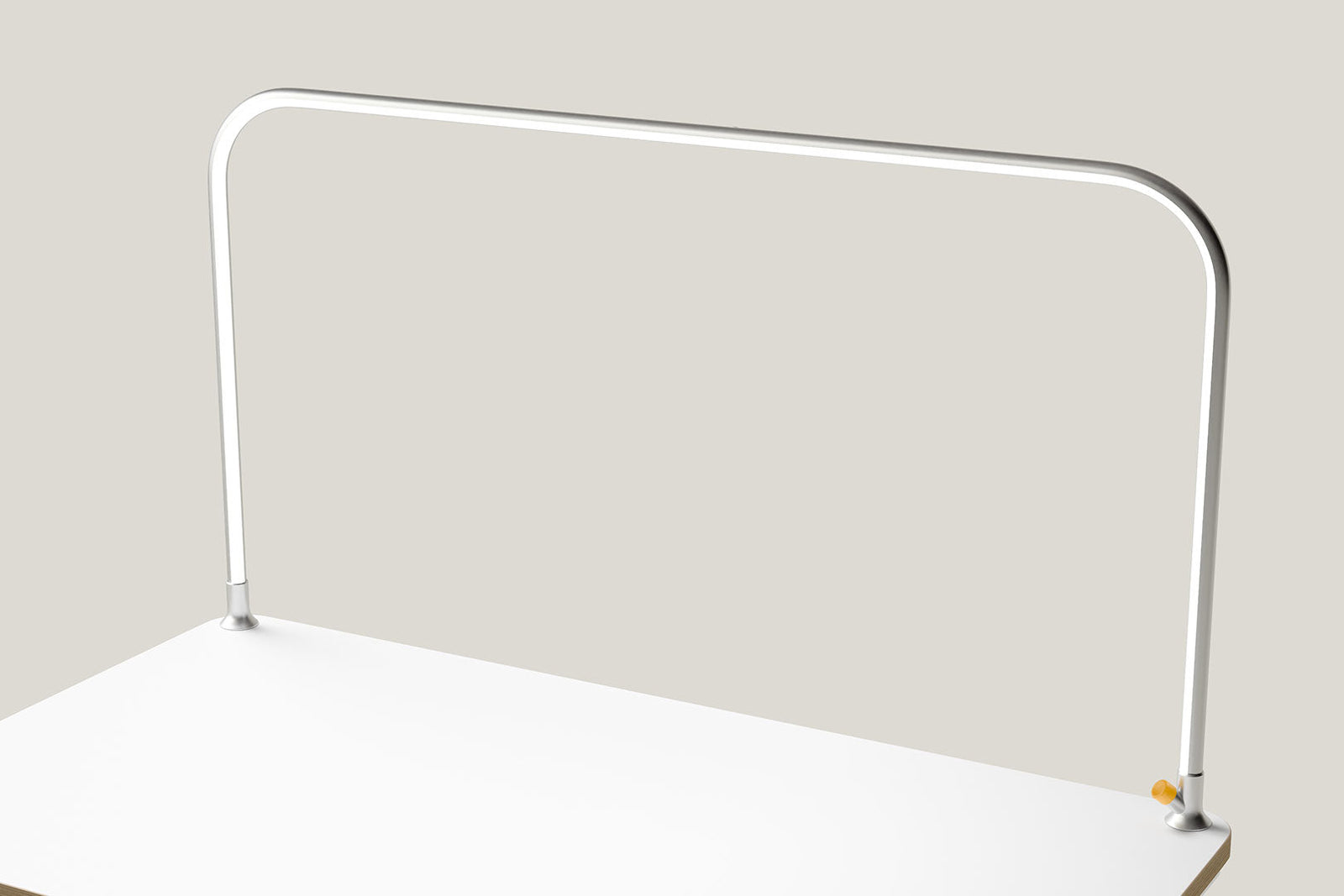
- Heat lamp (especially for fall/winter children)
- Baby care oil for cleansing and massage
- Storage basket and organizer for the chest of drawers
What you don't need:
- Powder - not recommended, may irritate skin
- Many different creams at once - less is more
- Large supplies in size 1 - babies grow quickly
An honest overview - without advertising, but with clarity:
Absolutely necessary:
- Changing unit or changing unit at a height that is easy on the back
- Changing mat with washable cover
- 2-3 changing mats (reusable or disposable)
- Diapers (initial equipment: do not buy too many size 1)
- Wet wipes (sensitive, fragrance-free) or washcloths
- Wound protection cream
- Diaper pail with lockable lid
Useful additions:
- Nursing seat / changing unit for the bathtub
- Heat lamp (especially for fall/winter children)
- Baby care oil for cleansing and massage
- Storage basket and organizer for the chest of drawers
What you don't need:
- Powder - not recommended, may irritate skin
- Many different creams at once - less is more
- Large supplies in size 1 - babies grow quickly

In our initial equipment consultation, we help you to select the right products for your everyday life, your living situation and your budget. Without excess - with a focus on what really matters.
In our initial equipment consultation, we help you to select the right products for your everyday life, your living situation and your budget. Without excess - with a focus on what really matters.