Search
Frequently searched for:


The second child is coming - and this time you are more relaxed. You know what works. You know what you bought too much of the first time. And you know that most things are already in the cellar.
Nevertheless, new questions arise:
- What can I really reuse from my first child - and what should I buy new?
- What do I need that I didn't have with my first child?
- Do the children share a room - and if so, how do you arrange it?
On this page you will find honest answers - without pressure to buy, but with a focus on what will really help your family move forward.
The second child is coming - and this time you are more relaxed. You know what works. You know what you bought too much of the first time. And you know that most things are already in the cellar.
Nevertheless, new questions arise:
- What can I really reuse from my first child - and what should I buy new?
- What do I need that I didn't have with my first child?
- Do the children share a room - and if so, how do you arrange it?
On this page you will find honest answers - without pressure to buy, but with a focus on what will really help your family move forward.
The good news first: with the second child, the need to buy new items is much smaller. Almost all the furniture and many care items can be reused without any problems - provided they are still in good condition.
Can be reused without any problems
- Changing unit and changing mat - check the cover for wear and tear and wash it through
- Baby bath and nursing seat - clean well and continue to use
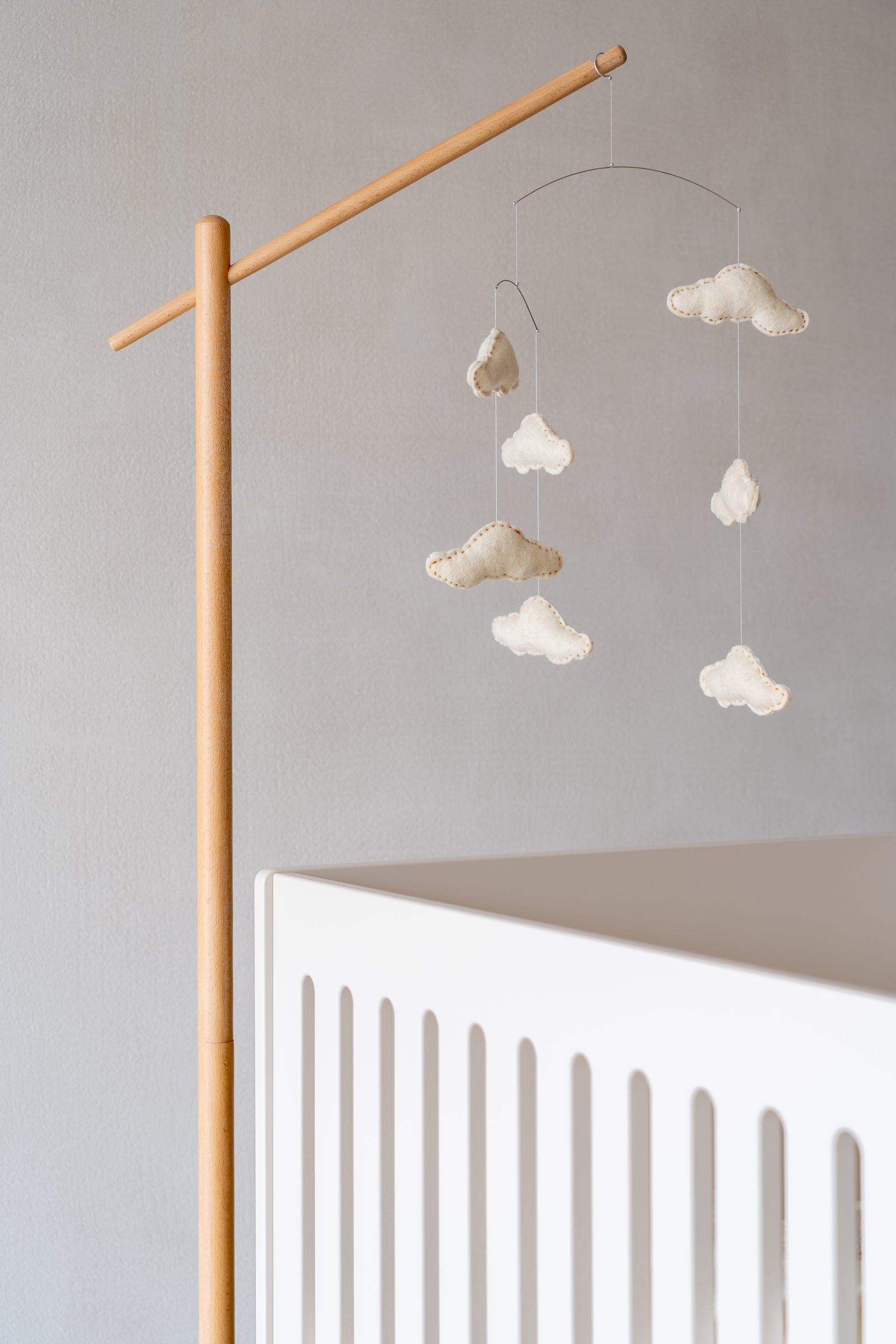
- Toys, gripping rings, mobiles - provided there is no wear and tear or missing parts
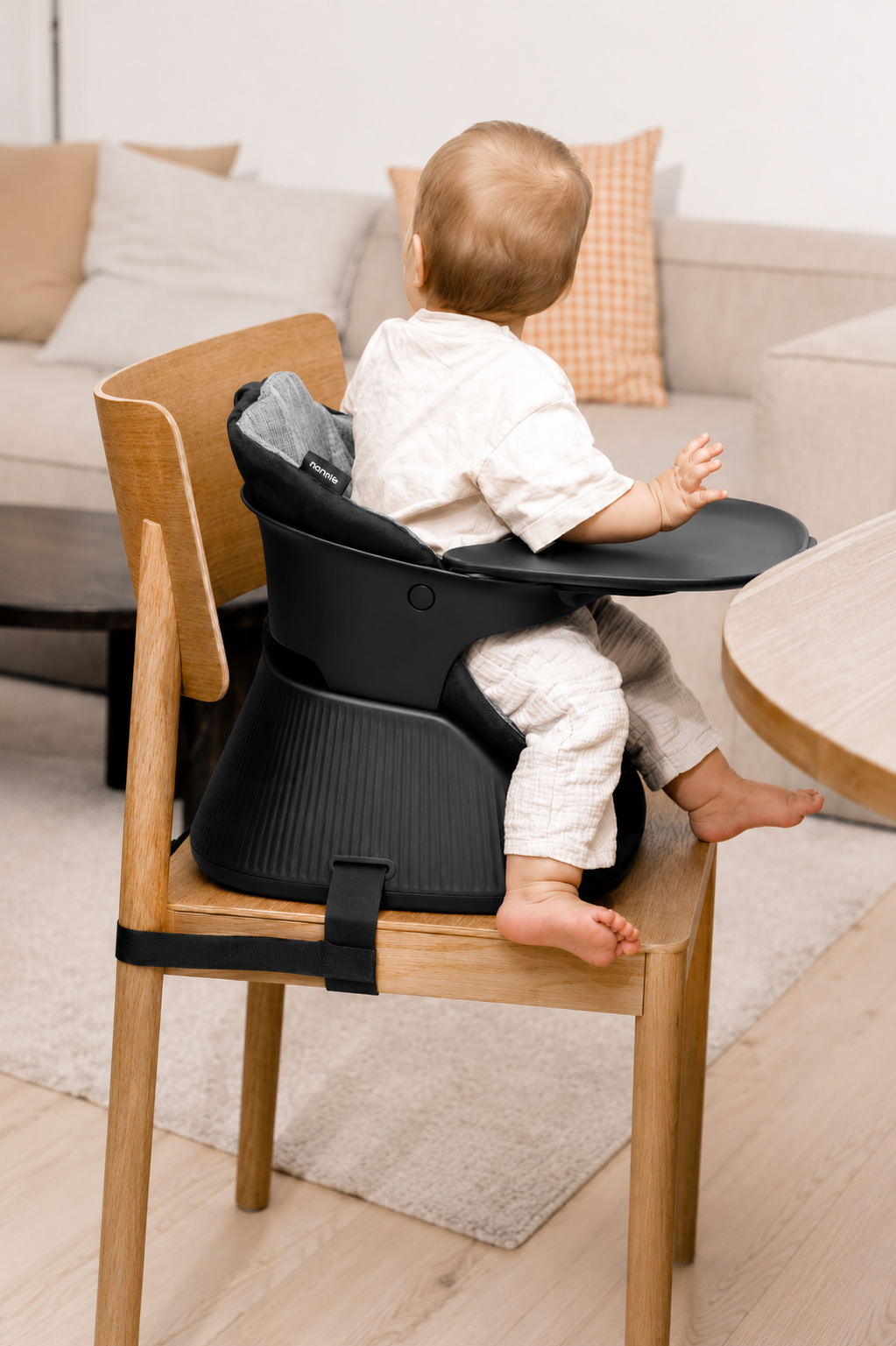
- High chair - very durable, can be reused easily
- Clothing - if purchased gender-neutral or of the same gender, almost everything is reusable
- Nursing pillow, rocker, baby swing - can go straight on
Should be purchased new
- Mattress - experts recommend a new mattress for every child, as mattresses can deform over time and store germs
- Sleeping bags - check for correct TOG value and size; check old ones for zipper and condition
- Wet wipes, wound protection cream and care products - consumables that are newly purchased
- Diapers - new, of course, and this time you already know better which brand fits
Always buy new - for safety reasons
You should not make any compromises when it comes to child car seats. Safety standards change regularly and a used seat may have invisible damage. Always buy new and get expert advice.
The good news first: with the second child, the need to buy new items is much smaller. Almost all the furniture and many care items can be reused without any problems - provided they are still in good condition.
Can be reused without any problems
- Changing unit and changing mat - check the cover for wear and tear and wash it through
- Baby bath and nursing seat - clean well and continue to use
- Toys, gripping rings, mobiles - provided there is no wear and tear or missing parts
- High chair - very durable, can be reused easily
- Clothing - if purchased gender-neutral or of the same gender, almost everything is reusable
- Nursing pillow, rocker, baby swing - can go straight on
Should be purchased new
- Mattress - experts recommend a new mattress for every child, as mattresses can deform over time and store germs
- Sleeping bags - check for correct TOG value and size; check old ones for zipper and condition
- Wet wipes, wound protection cream and care products - consumables that are newly purchased
- Diapers - new, of course, and this time you already know better which brand fits
Always buy new - for safety reasons
You should not make any compromises when it comes to child car seats. Safety standards change regularly and a used seat may have invisible damage. Always buy new and get expert advice.


The second child brings a new family dynamic - and with it new needs that were not yet an issue with the first child.
Sibling baby carriage or buggy board
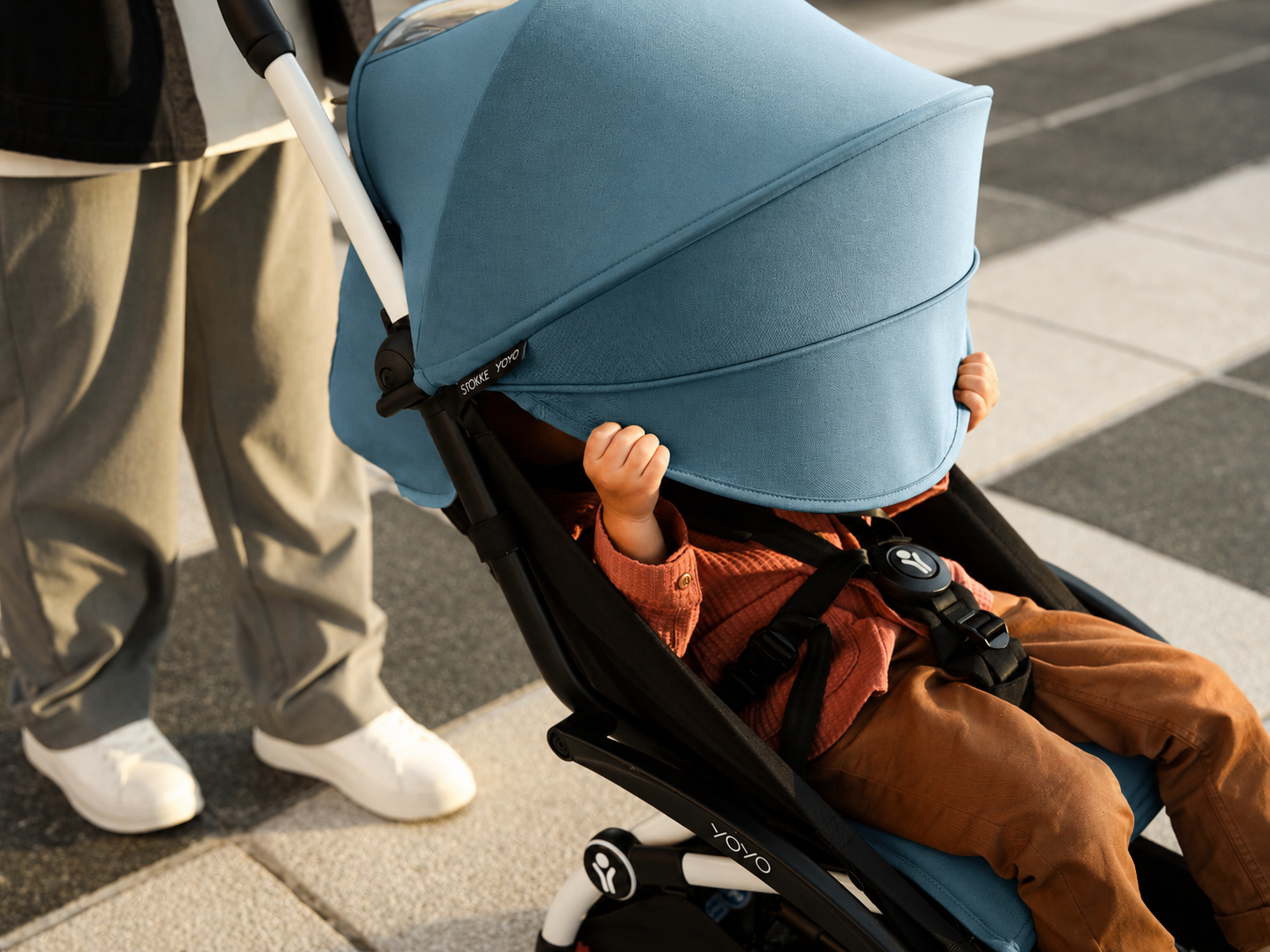
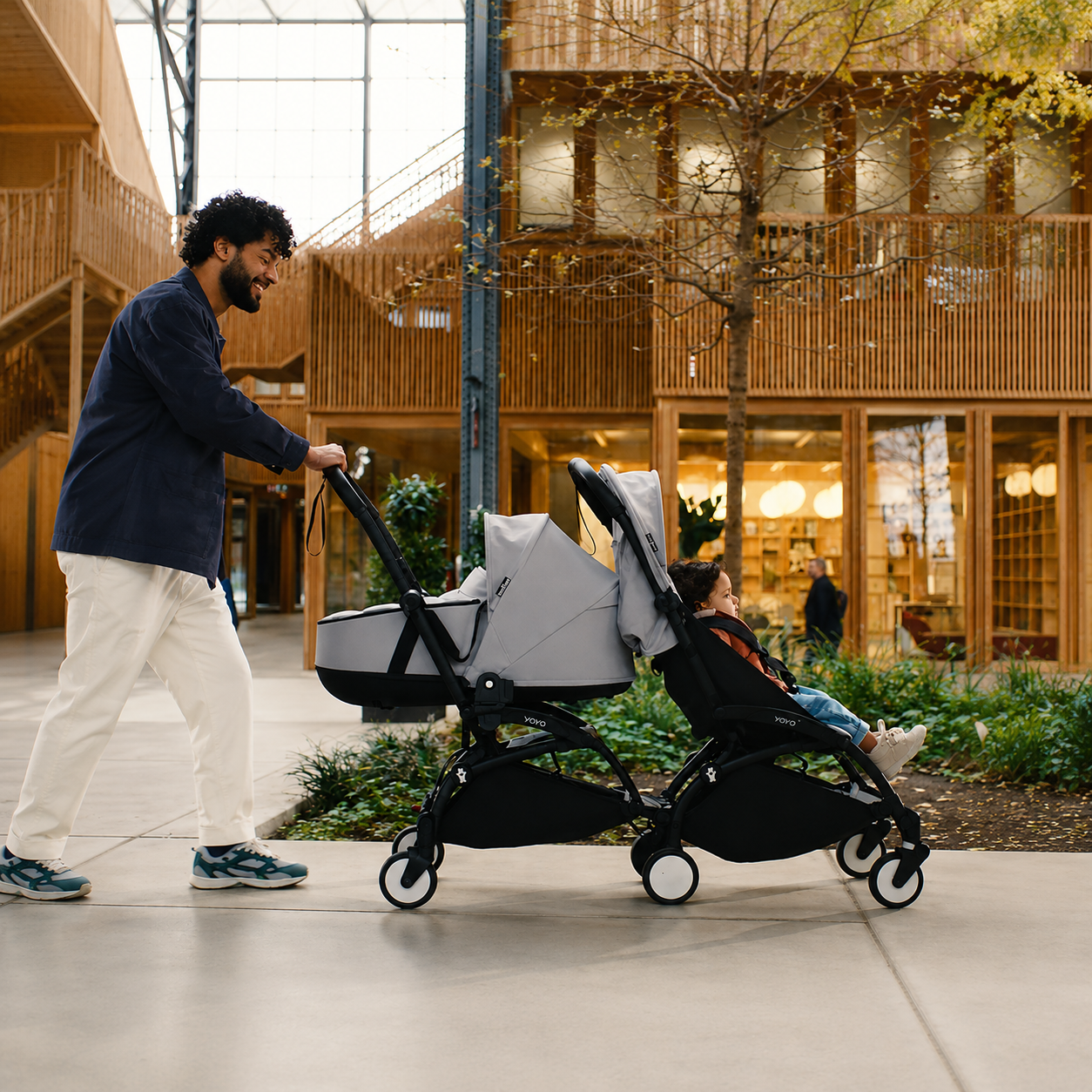
If the first child has not yet been walking reliably for long, a sibling pushchair or an add-on board for the existing baby carriage is one of the most important new purchases. The size of the age difference is a key factor in deciding which solution is right for you:
- Less than 2.5 years difference: Sibling strollers make sense - both children sit safely
- 2.5-4 years difference: buggy board often sufficient - older child stands or sits on the back
- More than 4 years: The older child usually walks by themselves - no sibling pushchair necessary
Baby crib or extra bed
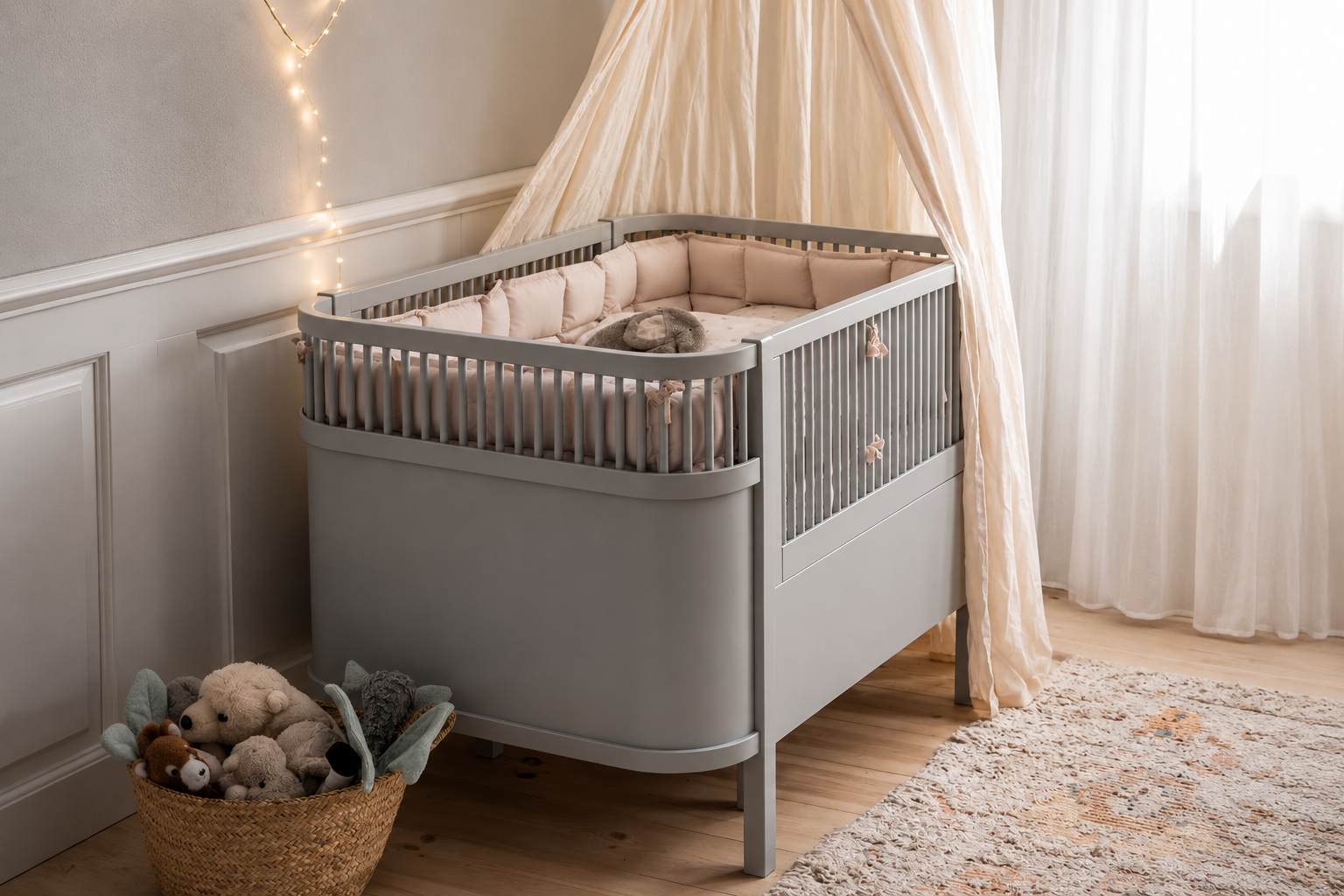
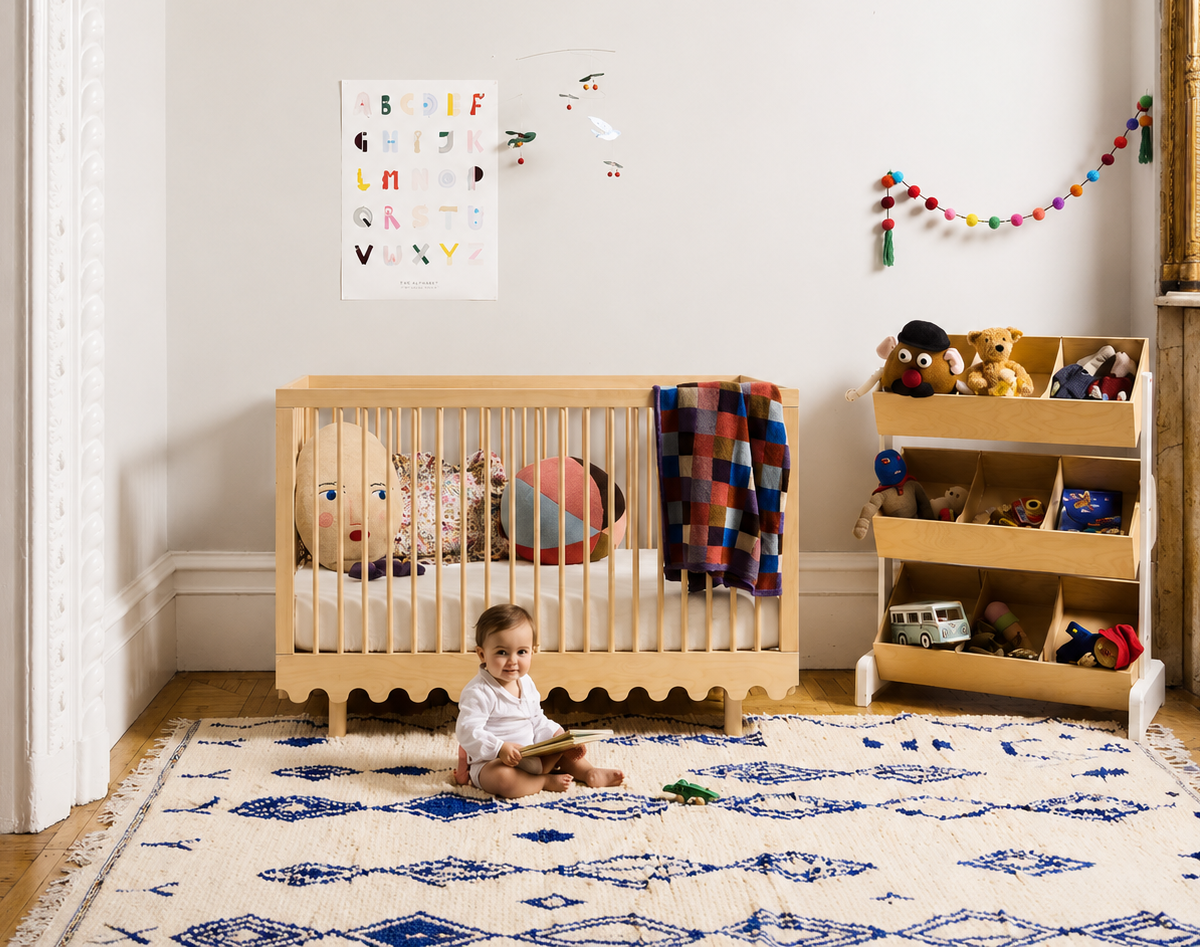
If the first child is still sleeping in the crib, the newborn needs its own place to sleep. A co-sleeper bed is an elegant solution for the first few months - space-saving and close at hand. After that, the baby can move into the existing crib as soon as the older child moves into a junior bed.
The second child brings a new family dynamic - and with it new needs that were not yet an issue with the first child.
Sibling baby carriage or buggy board
If the first child has not yet been walking reliably for long, a sibling pushchair or an add-on board for the existing baby carriage is one of the most important new purchases. The size of the age difference is a key factor in deciding which solution is right for you:
- Less than 2.5 years difference: Sibling strollers make sense - both children sit safely
- 2.5-4 years difference: buggy board often sufficient - older child stands or sits on the back
- More than 4 years: The older child usually walks by themselves - no sibling pushchair necessary
Baby crib or extra bed
If the first child is still sleeping in the crib, the newborn needs its own place to sleep. A co-sleeper bed is an elegant solution for the first few months - space-saving and close at hand. After that, the baby can move into the existing crib as soon as the older child moves into a junior bed.


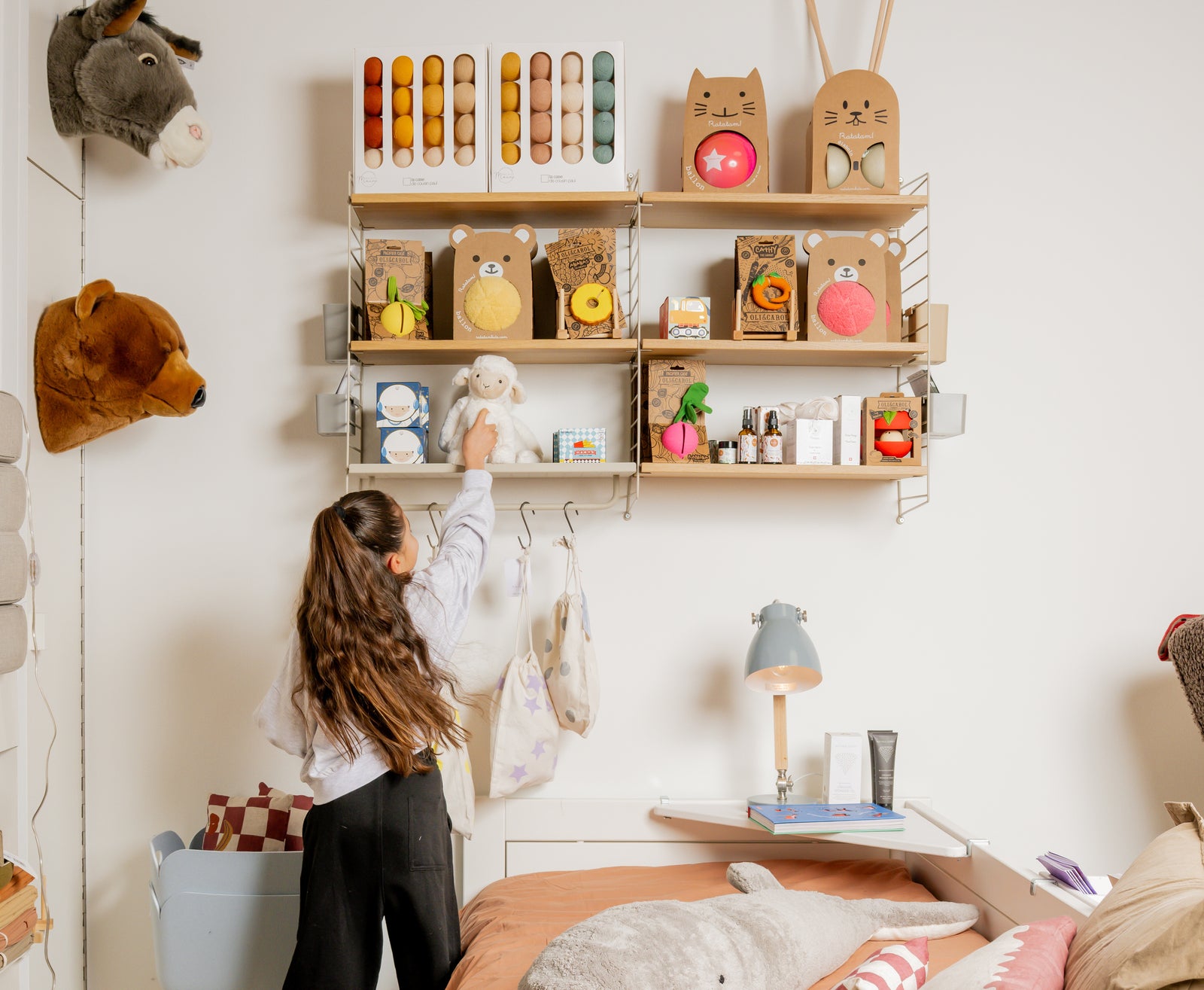
If space at home is limited or the children need to be close together, a shared room is a great solution. Set up correctly, it promotes closeness and consideration - and saves space.
When does a sibling room work well?
Experts recommend a sibling room, especially if the age difference is between two and four years. Children at this age are at similar stages of development, often share the same interests and learn to be considerate at an early age.
From an age difference of more than four years - or at the latest at puberty - every child needs their own place to retreat to.
The most important principles when setting up
- Every child needs their own space - be it through color, furniture or a room divider
- Equal treatment is important - both children should be given the same amount of space and a say
- Save space through height: bunk beds or loft beds create sleeping and playing space in a small area
- Clear rules right from the start: Whose toys are what? What is shared?
- Use multifunctional furniture: Bunk beds with desk underneath, storage space under the bed
Tip:If the baby still sleeps with you in the first few months, you have time to set up the sibling room in peace and quiet and gently prepare the older child for the new situation.
If space at home is limited or the children need to be close together, a shared room is a great solution. Set up correctly, it promotes closeness and consideration - and saves space.
When does a sibling room work well?
Experts recommend a sibling room, especially if the age difference is between two and four years. Children at this age are at similar stages of development, often share the same interests and learn to be considerate at an early age.
From an age difference of more than four years - or at the latest at puberty - every child needs their own place to retreat to.
The most important principles when setting up
- Every child needs their own space - be it through color, furniture or a room divider
- Equal treatment is important - both children should be given the same amount of space and a say
- Save space through height: bunk beds or loft beds create sleeping and playing space in a small area
- Clear rules right from the start: Whose toys are what? What is shared?
- Use multifunctional furniture: Bunk beds with desk underneath, storage space under the bed
Tip:If the baby still sleeps with you in the first few months, you have time to set up the sibling room in peace and quiet and gently prepare the older child for the new situation.


When a newborn and a toddler share a room, one thing is needed above all: clear sleeping times and safe furnishings. Loose toys that are no problem for the older child can be dangerous for the baby.
- Keep toys with small parts out of the baby's reach
- Synchronize sleeping times if possible - separate bedtime rituals help both
- Blackout curtains make sense for both children
- Involve the older child early - a sense of responsibility instead of jealousy
When a newborn and a toddler share a room, one thing is needed above all: clear sleeping times and safe furnishings. Loose toys that are no problem for the older child can be dangerous for the baby.
- Keep toys with small parts out of the baby's reach
- Synchronize sleeping times if possible - separate bedtime rituals help both
- Blackout curtains make sense for both children
- Involve the older child early - a sense of responsibility instead of jealousy
Buy new:
- New mattress for the crib
- New child car seat (safety)
- Consumables: Diapers, wet wipes, care products
- Sibling stroller or buggy board (depending on the age difference)
Check and replace if necessary:
- Check sleeping bags for condition and correct TOG value
- Check the changing mat and cover for wear
- Sift through the clothes from the initial outfit: What is still there, what is missing?
Reuse:
- Changing unit, bathtub, nursing seat
- High chair, toy, rocker
- Nursery furniture - crib, chest of drawers, shelf unit
Buy new:
- New mattress for the crib
- New child car seat (safety)
- Consumables: Diapers, wet wipes, care products
- Sibling stroller or buggy board (depending on the age difference)
Check and replace if necessary:
- Check sleeping bags for condition and correct TOG value
- Check the changing mat and cover for wear
- Sift through the clothes from the initial outfit: What is still there, what is missing?
Reuse:
- Changing unit, bathtub, nursing seat
- High chair, toy, rocker
- Nursery furniture - crib, chest of drawers, shelf unit

Every family is different - and with a second child, the most important thing is what really suits your living situation, your age gap and your everyday life. We'll look at this together in our consultation.
Every family is different - and with a second child, the most important thing is what really suits your living situation, your age gap and your everyday life. We'll look at this together in our consultation.